
AWE TECHNOLOGY SOLUTIONS
OPPORTUNITY
COUNTRIES
PHILIPPINES
REVENUE
SE Asia's Organic Waste Is AWE's Biggest Market Opportunity
AWE Technology Solutions is operational in the Philippines and evaluating projects across Indonesia, Vietnam, Thailand, and Sri Lanka — converting agricultural and food processing organic waste into renewable biomethane, biogenic CO₂, and certified organic fertiliser.
Operational in Philippines • 5 countries evaluating • ~A$120–140M pipeline
700M–900M tonnes — Asia-Pacific organic waste per year — rising to 1.5B by 2035
5 countries — Philippines (operational), Indonesia, Vietnam, Thailand, Sri Lanka
Cebu ✓ — AWE Philippines facility commissioned — first SE Asia project operational
A$120M+ — AWE current and pipeline project valuation across all regions
SE ASIA AT A GLANCE
Philippines • Indonesia • Vietnam • Thailand • Sri Lanka • Cambodia
Southeast Asia is home to some of the world's most intensive agricultural and food processing operations — palm oil, tropical fruit, seafood processing, rice production, sugar cane, and livestock farming generating enormous volumes of organic waste. The vast majority is landfilled or burned, releasing methane and contributing to severe air and water quality problems.
Crucially, SE Asia lacks the grid infrastructure that has shaped Europe's centralised energy model. This makes decentralised, waste-to-energy anaerobic digestion an ideal fit — producing energy and valuable by-products close to where the waste is generated, without requiring grid connection.
While anaerobic digestion has scaled rapidly across Europe and the UK over two decades, SE Asia remains almost entirely untapped. AWE is building its project pipeline ahead of regulatory and market maturation — mirroring the position of early European AD operators in the 2000s.
THE SOUTHEAST ASIA OPPORTUNITY
SE Asia Has the World's Fastest-Growing Organic Waste Problem
700M+ — tonnes organic waste per year in Asia-Pacific
65M+ — tonnes per year in Indonesia alone
1.5B - tonnes by 2035
~26M — tonnes per year in the Philippines
World's Largest Agricultural Waste Volumes
Palm oil, tropical fruit, rice, sugar cane, seafood, and livestock generate enormous, concentrated organic waste streams — ideal feedstock for co-located AD projects.
Energy Poverty and Decentralisation Demand
Hundreds of millions of people across SE Asia lack reliable energy access. Decentralised biogas projects deliver affordable, local energy without requiring grid infrastructure.
Zero Market Competition — True First-Mover
No major commercial AD operator has built a comparable SE Asian pipeline. AWE is establishing market position before regulatory incentives accelerate adoption.
Government Support for Renewable Energy
Philippines, Indonesia, Vietnam, and Thailand all have national renewable energy targets that include biogas and biomethane — creating an increasingly favourable environment.
AWE COUNTRY STATUS
Six Countries - One Pipeline
AWE operates or is actively evaluating Anaerobic Digesters (AD) projects across six Southeast and South Asian countries. Each country presents a distinct feedstock opportunity, regulatory context and project timeline.
Philippines

AWE's first SE Asian market. The Cebu facility has been commissioned and is operational.
The Philippines client has identified three additional sites for follow-on projects — two in the Philippines and one in Cambodia.
Status: Cebu facility operational. 3 additional sites identified.
Feedstock: Tropical fruit processing, agricultural residues
Subsidiary: AWE Philippines - wholly owned
Next Steps: Commence three additional project sites following Cebu commissioning

Indonesia
Indonesia is AWE's highest-volume SE Asian opportunity — the world's largest palm oil producer and one of SE Asia's largest agricultural economies, generating over 65 million tonnes of organic waste per year.
Status: Projects under evaluation. AWE subsidiary established
Feedstock: Palm oil mill effluent (POME), agricultural residues, food processing
Subsidiary: AWE Indonesia — wholly owned
Opportunity: Palm Oil sector alone generates ~50M tonnes of processable waste per year
Vietnam
Thailand is SE Asia’s second largest agricultural exporter.
Sugar cane processing, cassava, palm oil and seafood industries generate substantial organic waste streams well suited to AWE’s technology.
Status: Opportunities under evaluation
Feedstock: Sugar cane residues, cassava processing, palm oil, seafood processing
Waste Volume: ~18 million tonnes per year organic waste
Vietnam's rapidly expanding food processing and aquaculture sectors generate significant organic waste.
The country has strong Government support for renewable energy and is a priority evaluation market for AWE
Status: Opportunities under evaluation
Feedstock: Rice processing, seafood/aquaculture, coffee, cassava
Volume: ~20 million tonnes per year organic waste
Thailand

Sri Lanka
Sri Lanka's tea, coconut, and rubber processing industries generate highly concentrated organic waste streams. Post-crisis economic recovery is driving demand for cost-effective, decentralised energy solutions.
StatusOpportunities under evaluation
FeedstockTea processing waste, coconut processing, rubber processing, agricultural residues
OpportunityStrong government interest in decentralised renewable energy

Cambodia
Pipeline: 1 operational + 3 pipeline
Cambodia has been identified as a follow-on project location by AWE's Philippines client, who has flagged one Cambodian site alongside two additional Philippines sites for future development.
Status: Identified by Philippines client for follow-on project
FeedstockAgricultural processing waste — specific feedstock to be confirmed
TimingTo commence following successful Cebu commissioning
✓ Operational — AWE's First SE Asia ProjectPROJECT SPOTLIGHT
Cebu, Philippines — AWE's Reference Project
AWE's Cebu facility in the Philippines is the company's first operational anaerobic digestion project in Southeast Asia — and a critical proof-of-concept for the entire SE Asian pipeline. The facility was fully funded, built, and commissioned by AWE, demonstrating the technology's performance with tropical agricultural and food processing feedstock.
The Cebu project provides AWE with an operational reference case that investors, waste operators, and government bodies across the region can visit and evaluate — a tangible demonstration of the commercial model in action.
Following Cebu's successful commissioning, AWE's Philippines client has already identified three additional project sites: two in the Philippines and one in Cambodia. This pipeline validates the commercial model and AWE's ability to replicate it at scale.
✓
Fully Funded and commissioned

+

Philippines (+2) and Cambodia (+1) follow-on sites
3
Follow-on sites identified by Philippines client
First
AWE’s first commissioned SE Asian AD facility
CEBU PROJECT TIME LINE
Project scoping & MOU
2025
Feedstock assessment, site selection, waste volume confirmation and MOU executed with Philippines client
Design and Financing
2026 Q4
Plant design finalised, project fully funded, construction will commence. Technology selected by AWE's world-leading AD technology partners.
Project Commissioned
2027 Q4
Cebu facility construction completed and commissioned by September 2025. All output streams operational.
Three follow-on sites
2028+
Philippines client progressing two PH sites and one Cambodia site following successful Cebu commissioning.
Six Revenue Streams from Every SE Asian Project
REVENUE MODEL
Every AWE project — whether in the Philippines, Indonesia, or Vietnam — converts a single organic waste input into six simultaneous revenue streams, providing resilient returns regardless of local energy pricing.
01
Renewable Methane
CNG-grade or pipeline-quality renewable gas for industrial use, transport fuel, or direct sale to regional energy buyers.
02
Biogenic CO2
Certified food-grade CO₂ captured from the AD process — sold to food & beverage manufacturers, greenhouse growers, and carbonated drinks producers across SE Asia.
Organic Digestate Fertiliser
03
Nutrient-rich organic fertiliser returned to agricultural land — replacing imported synthetic fertiliser and closing the local nutrient cycle.
04
Carbon Credits
Voluntary carbon market credits generated through certified landfill methane avoidance — tradeable on international carbon markets including Singapore and Hong Kong.
05
Tipping Fees
Gate fees charged to waste generators — food processors, plantations, and local government units — for accepting and processing their organic waste streams.
06
Electricity (Optional)
Where biomethane is used for on-site power generation, surplus electricity is exported to the grid or sold under power purchase agreements to adjacent industrial buyers.
SE Asia's Organic Waste Streams — by Country
FEEDSTOCK BY COUNTRY
Each SE Asian country offers a distinct mix of organic waste feedstocks. AWE's project-specific technology selection approach means each plant is optimised for its local waste stream.

Philippines
Primary Feedstocks
Tropical fruit processing (mango, pineapple, banana)
Coconut processing residues
Sugar mill by-products (bagasse)
Rice and corn processing waste
Seafood and aquaculture processing

Indonesia
Primary Feedstocks
Palm oil mill effluent (POME) — world's largest
Rubber processing waste
Cassava starch processing
Sugar cane and coffee processing
Livestock and poultry manure
Vietnam
Primary Feedstocks
Rice bran and processing waste
Seafood and aquaculture residues
Coffee processing by-products
Cassava and vegetable manufacturing
Livestock farm waste
Thailand
Primary Feedstocks
Sugar cane residues (press mud, vinasse)
Cassava and starch processing
Palm oil and tapioca processing
Seafood processing waste
Poultry and pig farm waste

Sri Lanka
Primary Feedstocks
Tea factory processing waste
Coconut processing residues
Rubber factory effluent
Municipal organic waste (Colombo)
Rice and vegetable processing

Cambodia
Primary Feedstocks
Agricultural processing waste
Cassava and rice processing
Sugar cane processing residues
Rubber processing waste
Aquaculture and fisheries waste
WHY AWE FOR SE ASIA
Five Reasons AWE Is the Right Partner for SE Asian Projects
1
Already operational in the region
The commissioned Cebu facility is not a concept — it is a working reference project. Waste operators and investors across SE Asia can visit a live AWE facility and see the technology performing with local feedstock.
2
Project-specific technology selection
AWE partners with world-leading AD technology providers and selects the optimal solution for each project's specific waste stream, scale, and regional output requirements — rather than applying one technology to every project.
3
Wholly-owned regional subsidiaries
AWE has established wholly-owned subsidiaries in the Philippines, Indonesia, and Australia — providing in-country legal presence, local relationships, and the ability to execute projects without complex JV structures.
4
Six-stream revenue model
AWE's simultaneous pursuit of six revenue streams — including the biogenic CO₂ stream that most regional competitors ignore — provides superior project returns and resilience against single commodity price movements.
5
First-mover in an untapped market
No major commercial AD operator has built a comparable SE Asian pipeline. AWE is establishing market position, local relationships, and government access before regulatory incentives accelerate adoption and competition increases.
The SE Asia Market Context
Untapped at scale. Despite generating hundreds of millions of tonnes of organic waste annually, SE Asia has virtually no commercial-scale anaerobic digestion sector. AWE is entering a market that does not yet have an established dominant operator.
Biogenic CO₂ The overlooked stream. SE Asia's food & beverage and carbonated drinks industries are major consumers of CO₂. The biogenic CO₂ stream AWE captures from its AD process directly replaces imported fossil CO₂ — a particularly high-value output in markets where CO₂ supply is constrained.
Carbon market access. SE Asian projects generate voluntary carbon credits tradeable on Singapore's Carbon Exchange (CIX) and international voluntary markets — adding a revenue stream not available to waste operators who simply landfill or burn their organic waste.
Organic fertiliser replaces imports. SE Asia is a net importer of synthetic fertiliser. AWE's organic digestate fertiliser provides a local, cost-competitive alternative — particularly valuable in countries facing foreign exchange constraints on fertiliser imports.
Delivery models for SE Asian projects
AWE delivers SE Asian projects across three structures, accommodating local ownership requirements and co-investment preferences:
A) Build, Own and Operate — AWE finances, builds, owns and operates, sharing revenue with the host waste operator or site owner
B) Build and Operate for Third Party — AWE builds and operates on behalf of a local investor, government body, or waste operator who funds the project
C) Hybrid model — A combination of A and B structured to accommodate local ownership requirements or partial co-investment
SE ASIA LEADERSHIP
The AWE Team
AWE's leadership team brings over 30 years of combined senior executive experience across SE Asia, including established regional networks in the Philippines, Indonesia, Malaysia, and Singapore.
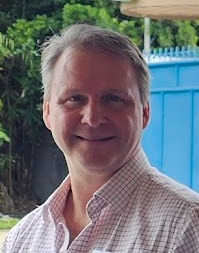
Stuart Helmore
CEO & DIRECTOR - BASED IN PHILIPPINES
MBA, Southern Cross University. CEO since July 2024. Over 30 years in process development, technology commercialisation, and growth leadership across chemical, energy, food, pharma, and industrial markets throughout Asia. Leads all SE Asian project development from AWE's Philippines base, overseeing the Cebu commissioning and follow-on pipeline.
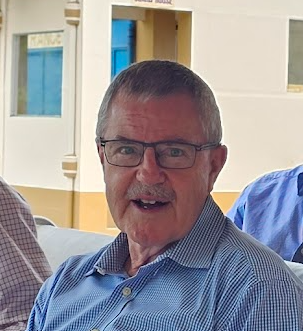
Phillip Pryor
EXECUTIVE CHAIRMAN & DIRECTOR
Bachelor of Economics, La Trobe University. Fellow AICD (FAICD). Over 30 years of senior executive experience across Australia and ASEAN — including living in Malaysia (2001–2004 and 2014–2018) and as Regional Managing Director for SICPA overseeing a US$150M Asia-Pacific business. Co-founded AWE in 2024, bringing deep SE Asian networks and board governance experience.
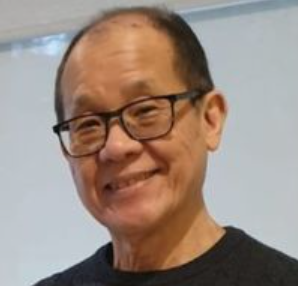
Nicholas Lee
CFO & COMPANY SECRETARY
Qualified accountant with 15+ years across Treasury, Stockbroking and Investment Banking in Australia and internationally, including 8 years in Asia. Former Finance Director, ASX-listed Terragen Holdings Ltd (2014–2019). Co-founder of AWE Technology Solutions (2024). Manages AWE's group financial structure across Singapore parent and regional subsidiaries.
TALK TO AWE ABOUT SE ASIA
Scope Your SE Asian Organic Waste Project
Whether you manage palm oil, tropical fruit, rice, seafood, or any other organic waste stream across Southeast or South Asia — AWE can scope, design, and deliver an anaerobic digestion solution tailored to your local feedstock, energy market, and regulatory environment. Obligation-free.
Obligation-free scoping. Response within 2 business days.
PHONE
+63 917 820 7832
stuart@awetechsolutions.com.au
SE ASIA BASE
Philippines
ALSO OPERATING IN
Australia - Indonesia - Vietnam - Thailand - Sri Lanka - Cambodia